

Part 1: Introduction – Why Online Safety Matters Now More Than Ever
The Digital Playground and Its Hidden Costs
The internet was once a shiny new toy, a place where you could log in, play a game of Tetris, or hear the screech of dial-up before chatting with strangers on AOL. For today’s teens and young adults, it isn’t a novelty. It’s oxygen. They grow up with screens lighting their faces, with friendships carried through group chats, and with reputations built in real time on TikTok or Instagram.
The online world is their playground, their mall, their library, and sometimes their therapist. Yet, lurking behind the laughs and memes are dangers that would make any parent’s stomach drop. The same space that connects them to opportunities also connects them to predators, toxic content, and permanent mistakes.
Unlike past generations, who could crumple up an embarrassing note and toss it in the trash, this generation’s slip-ups can live forever in the cloud. The cost of existing online has never been higher, and the risks aren’t abstract—they’re daily realities.
When Privacy Becomes a Public Stage
Imagine a girl posting a goofy video to her “private” story. She thinks only her friends will see it. Within hours, it’s been screen-recorded, reposted, and mocked by strangers she’s never met. That’s the new normal. Privacy settings exist, but they often feel like leaky faucets—meant to control the flow of information but constantly dripping.
Teens assume they can curate their audience, but the truth is slippery. A careless click, a reshared screenshot, or even a hacked account can turn personal moments into viral humiliation. What was meant to be fleeting ends up archived, sometimes forever. Colleges and employers now scour social media, and what they find doesn’t always reflect maturity but rather a snapshot of impulsive adolescence.
The scariest part is that no one explains the permanence of these digital footprints until it’s too late. Privacy is no longer about hiding secrets. It’s about protecting your future self from your current self’s spontaneity.
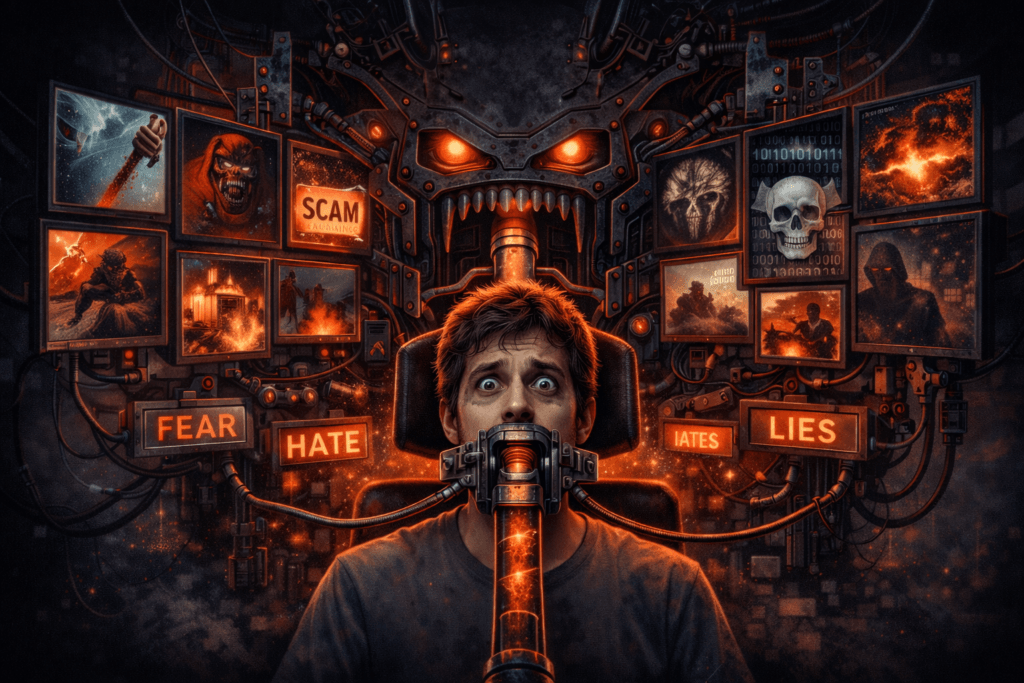
The Machine That Feeds You What You Fear
Scrolling through social media seems harmless enough until you notice how the feed changes based on where your thumb hesitates. A teen pauses on a diet tip, and suddenly their feed becomes a waterfall of extreme weight-loss videos. Another hovers over a fight clip, and now violence fills the screen like static.
Algorithms are like overeager waiters who keep bringing plates to the table, ignoring whether you wanted dessert or not. The content isn’t neutral—it’s persuasive. And for teens still figuring out who they are, being bombarded with harmful content shapes their choices before they realize it. The system rewards obsession, even when that obsession is dangerous.
Stories of teens pulled into eating disorder forums or self-harm communities aren’t rare—they’re common enough to alarm psychologists worldwide. Yet the machine keeps churning, feeding kids a steady diet of content that can erode their confidence, mental health, and safety.
Predators Wearing Friendly Masks
The days of “don’t talk to strangers” feel almost quaint now. Strangers don’t come with trench coats and creepy vans anymore. They come with friendly avatars, shared playlists, and perfectly tailored compliments. A teenager playing a multiplayer game may believe they’ve found a kindred spirit on the other side of the headset.
But predators are skilled at grooming, easing into conversations slowly, and building trust brick by brick. They don’t need to force the door open—they get invited in. By the time the teen realizes something is wrong, it’s often too late. Online predators thrive in spaces parents don’t understand, whether that’s Discord servers, TikTok comments, or disappearing-message apps.
It’s not that teens are careless; it’s that predators are cunning. They know how to exploit loneliness, curiosity, and the natural desire to be seen. The mask of friendship hides motives that can shatter a young person’s trust and sense of safety for years to come.
Tech-Savvy but Still Vulnerable
There’s a myth that young people are invincible online because they’re “digital natives.” Yes, they know how to install apps, troubleshoot Wi-Fi, and switch between accounts with ease. But being good at using technology doesn’t mean being good at protecting yourself. In fact, confidence can backfire. A teen may scoff at parental warnings, assuming they can handle anything, only to find themselves blindsided by harassment, leaks, or scams.
Tech-savviness is not the same as digital wisdom. Wisdom requires understanding that every post has a ripple effect, every message can be captured, and every “delete” button is more of an illusion than a guarantee. The teens who believe they’re too smart to get tricked often fall the hardest because predators and platforms both thrive on overconfidence.
It’s like thinking you can outswim a riptide because you’ve been to the beach before. The familiarity is misleading, and the stakes are higher than they appear.
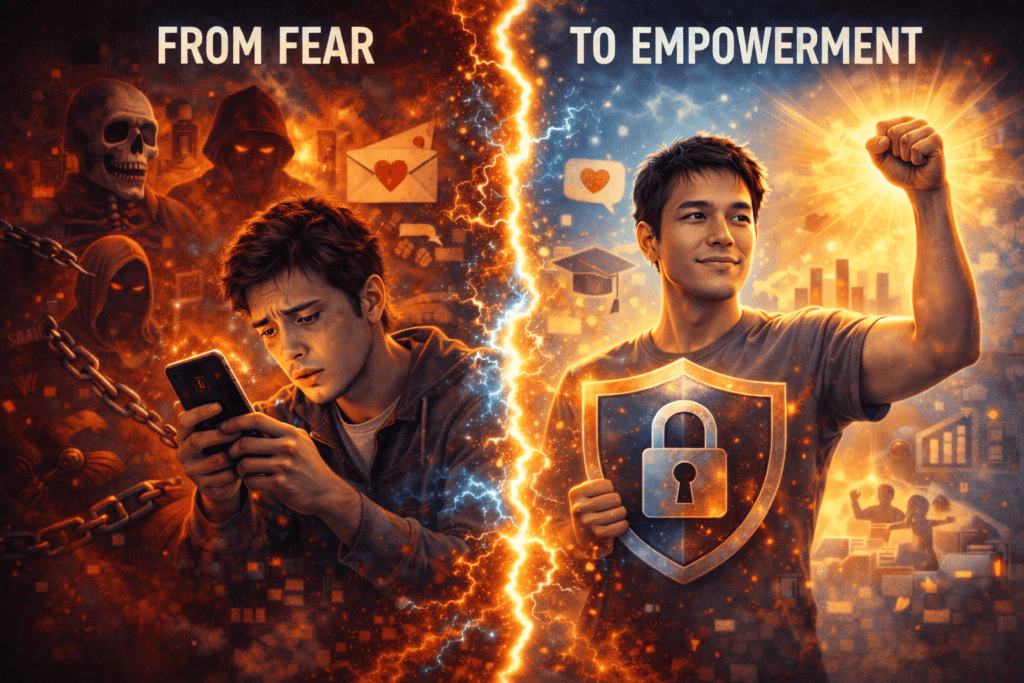
From Fear to Empowerment
So why start this series with a heavy dose of reality? Because sugarcoating doesn’t help anyone. Teens and young adults deserve honesty about the risks they face online, but they also deserve hope. Online safety isn’t about locking kids in a digital cage.
It’s about equipping them with armor and tools so they can step into the digital world without being blindsided. The internet isn’t going away. If anything, it’s weaving itself deeper into every aspect of life—from dating to job hunting to mental health support. The question isn’t whether young people should be online. The question is how they can do it without losing themselves in the process.
This series will dive into specific threats—privacy leaks, harmful algorithms, deepfakes, grooming—and then explore how awareness, culture, and empowerment can push back. The goal isn’t fear. It’s freedom. Because thriving online means knowing the risks and navigating them with strength.
If this resonated with you, stay connected.
PFWorks, Inc. supports teens and young adults navigating real life transitions with practical guidance, trusted resources, and human-centered support. Subscribe to our newsletter to receive updates, resources, and stories that focus on progress, dignity, and real solutions.
Stay informed. Stay connected. Be part of the support.
Canty