
Part 2: Privacy Settings and Digital Footprints
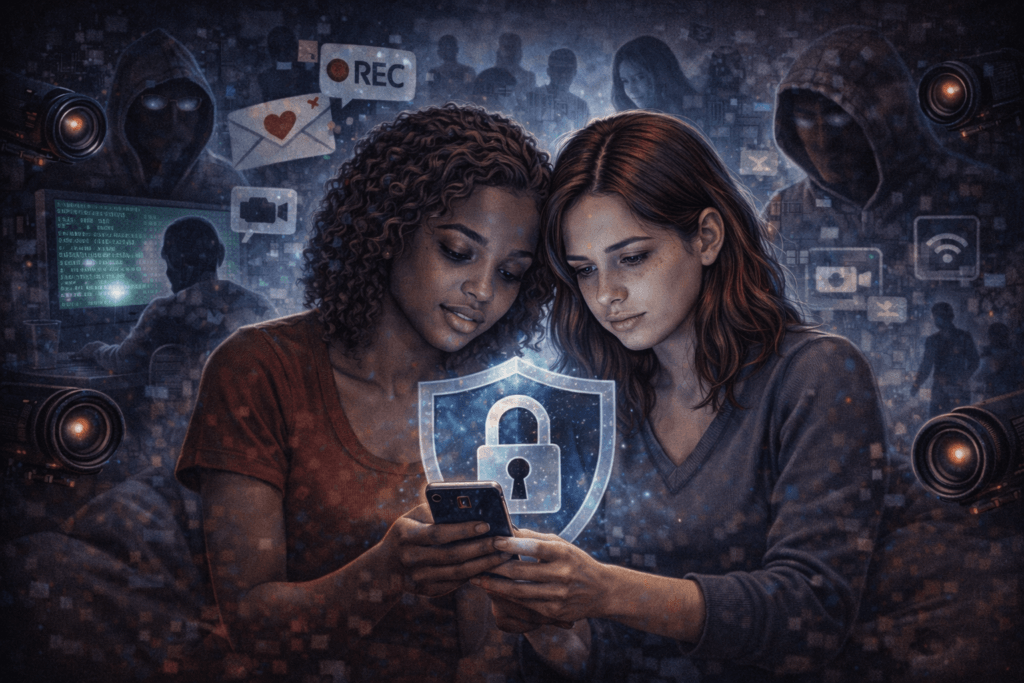
Privacy Settings Are Tools, Not Guarantees
A teenager opens her phone, taps into Instagram, and carefully selects who can see her latest post. She checks the little lock icon. She picks her close friends list. She hits share, confident that only the people she chose will see it. What she does not realize is that privacy settings are not iron gates. They are more like screen doors. They keep out some of the wind, but not all of it. One screenshot, one reshare, and suddenly a post meant for ten people is sitting in front of a hundred strangers.
The illusion of privacy is one of the most dangerous features of social media. Young people are lulled into believing they are in control, when control online is far more fragile than it feels. Stories surface every year of teens blindsided when a supposedly private post ends up somewhere it was never meant to go. The lesson is not to stop sharing. The lesson is to share with the understanding that anything posted online can travel, and to decide accordingly whether that post is worth the risk.
Digital Footprints Do Not Wash Away
The word footprint sounds almost harmless, like something left in sand that the tide will erase. Digital footprints are more like concrete. A tweet written in anger, a questionable joke posted at fourteen, or a photo taken at a wild party can resurface years later when the stakes are much higher. Employers and college admissions teams now routinely scan online histories, and they rarely look with forgiving eyes. They see what you posted, not who you have become since.
Even when accounts are deleted, archives and screenshots hold on. The internet has a long memory and no obligation to be fair about it. For young people still figuring out who they are, the permanence of digital content can feel deeply unjust. It is. But ignoring it does not make it less real. The most useful thing a young person can do is understand the permanence before they post, not after. That shift in awareness is small but it changes everything.
Oversharing Is a Trap Dressed Up as Connection
There is enormous cultural pressure to share everything online. Vacations, meals, moods, relationships, and milestones all seem to demand a post. Teens and young adults often treat social media like a diary, which would be fine if diaries were meant to be read by the public. The problem is that oversharing creates real vulnerabilities that go far beyond embarrassment. Posting your location in real time tells anyone paying attention exactly where you are. Uploading your driver’s license to celebrate a milestone hands personal data to anyone who sees it. Even casual posts can reveal patterns, the school you attend, the route you walk home, the cafe you visit every Tuesday.
Predators and scammers piece these details together the way a detective pieces together evidence. They are patient, deliberate, and paying attention in ways most teens do not expect. Oversharing is a trap disguised as connection. What feels like bonding with an audience can actually be handing out a map to people with bad intentions. Understanding that distinction is not about becoming paranoid. It is about being intentional with information that belongs to you.

Real Consequences, Real People
Abstract warnings about digital safety rarely land the way real stories do. A teenager in Florida thought nothing of posting photos of her new car, license plate fully visible. Weeks later, she was tracked down by someone who had been watching her feed. A young man bragged publicly about skipping work. His employer saw the post and let him go before he made it back to his shift. A high school senior lost a scholarship when recruiters found comments he had posted at fourteen. He had grown since then. The internet had not.
These are not extreme cases pulled from rare headlines. They are patterns that repeat across communities, schools, and age groups. The sting is never just the public embarrassment. It is the realization that the internet is not a friend. It is a megaphone that broadcasts even when you do not mean it to. Young people rarely get clean second chances in the digital world, which is exactly why the first chance matters so much.
The Tension Between Authenticity and Safety
Teens live in a real tension between wanting to be genuine online and wanting to stay safe. They crave connection and visibility. They also do not want to be naive about a world that can use their openness against them. Some respond by locking down every account and end up feeling isolated. Others throw the doors wide open and expose themselves to risks they never anticipated. Neither extreme serves them well. The balance lives somewhere in the middle, and finding it takes practice.
What helps most is asking a simple question before posting: would I be okay if this lived forever? Not hypothetically, but actually. If the answer is no, or even maybe, that is useful information. Authenticity does not require exposure of every detail. You can be real without being fully transparent. Privacy is not dishonesty. It is a boundary, and boundaries are healthy regardless of whether they exist online or off.

Your Digital Footprint Can Work For You
Privacy and digital footprints are not only about avoiding harm. They are also about building something worth finding. The same permanence that can hurt a person can also work in their favor when managed with intention. A portfolio of thoughtful posts, a clear record of genuine interests, or a pattern of showing up as someone consistent and trustworthy over time all leave footprints worth following. Young people who think about their digital presence as an asset rather than an afterthought are in a far stronger position than those who never think about it at all.
The goal is not to sanitize your online life into something lifeless. The goal is to be deliberate. Platforms are built to strip away your sense of agency by making sharing feel automatic and effortless. Slowing down, even slightly, and asking whether a post serves you is one of the simplest and most powerful things you can do to take that agency back.
Your story is yours. Protect it like it matters.
PFWorks, Inc. supports teens and young adults facing real challenges with practical tools and honest information. If this series is helpful to you or someone you know, subscribe to our newsletter to stay connected to resources, stories, and guidance built around dignity and real solutions. Share this post with someone who needs it. The conversation starts here.
R.L. Canty | PFWorks, Inc.