

Most of us reach for our phones before our eyes are even fully open. Notifications, messages, headlines, and endless updates are waiting for us before we even brush our teeth. What starts as a quick check often turns into a ten or fifteen minute scroll through other people’s lives. Vacations, career wins, gym transformations, and relationship highlights pass by our eyes before our day has even begun.
It feels normal because everyone does it.
But behind this daily habit, psychologists and researchers are asking a serious question. Is social media quietly making us more anxious?
The answer is complicated. Social media did not invent anxiety. Humans have been worrying about things since long before smartphones existed. But what social media has done is create a digital environment where our brains are exposed to thousands of emotional signals every single day. Our minds were never designed to process that many social comparisons, headlines, and emotional triggers all at once.
That mismatch is where the problem begins.
The Brain Was Built for Small Social Circles
For most of human history, people lived in small communities. Villages, tribes, or neighborhoods rarely included more than a few dozen people. Anthropologists often refer to something called Dunbar’s Number, which suggests humans can comfortably maintain about 150 social relationships. That number matters because our brains evolved around it.
Social media blew that number apart.
Today a single person may follow hundreds or even thousands of accounts across different platforms. Instagram, TikTok, Facebook, YouTube, and X each add more people into our mental awareness. Suddenly your brain is processing the lives, opinions, and achievements of hundreds of individuals every day.
Your brain interprets these updates as part of your social environment. When someone announces a promotion, your mind compares it to your own career. When someone posts vacation photos, your brain evaluates your own lifestyle. When someone shares fitness results, your mind measures your body against theirs.
Even when we know these posts are curated highlights, the emotional brain still reacts as if they are reality. Over time, constant comparison slowly fuels anxiety and self doubt.
The Comparison Trap Never Turns Off
Imagine walking into a room where hundreds of people are talking about the best moments of their lives. One person just bought a house. Another is celebrating a promotion. Someone else just got engaged. Another person is showing off impressive fitness progress. Every conversation highlights something positive happening in someone else’s life.
Now imagine you never get to leave that room.
That is essentially what social media does. Your brain is constantly exposed to other people’s victories, milestones, and highlights. Meanwhile, you are comparing those polished snapshots to the messy behind the scenes reality of your own life. Bills, stress, bad days at work, and unfinished goals rarely appear on anyone’s feed.
The result is predictable. Your life begins to feel smaller than it actually is. This does not mean people are weak or overly sensitive. It simply means the brain is doing what it naturally does, which is compare its environment in order to judge where it stands socially.
When the environment is a highlight reel, the comparison becomes distorted.
Information Overload Is Quietly Draining Your Brain
Another hidden stressor is the sheer volume of information people consume online. A generation ago, most people received their daily information from a newspaper, a few conversations, and maybe the evening news. The flow of information was relatively slow and predictable.
Today the amount of information hitting the brain in a single scroll session is staggering.
Within a few minutes, someone might see a viral video, breaking news, political arguments, fitness tips, celebrity drama, economic fears, and vacation photos. The brain processes each of these pieces emotionally, even if we believe we are casually browsing. Each new piece of content activates thoughts, judgments, and reactions.
That constant stimulation forces the brain to stay alert longer than it should. After enough exposure, many people report feeling mentally drained even after spending time online doing what they believed was relaxing.
The mind was working the entire time.
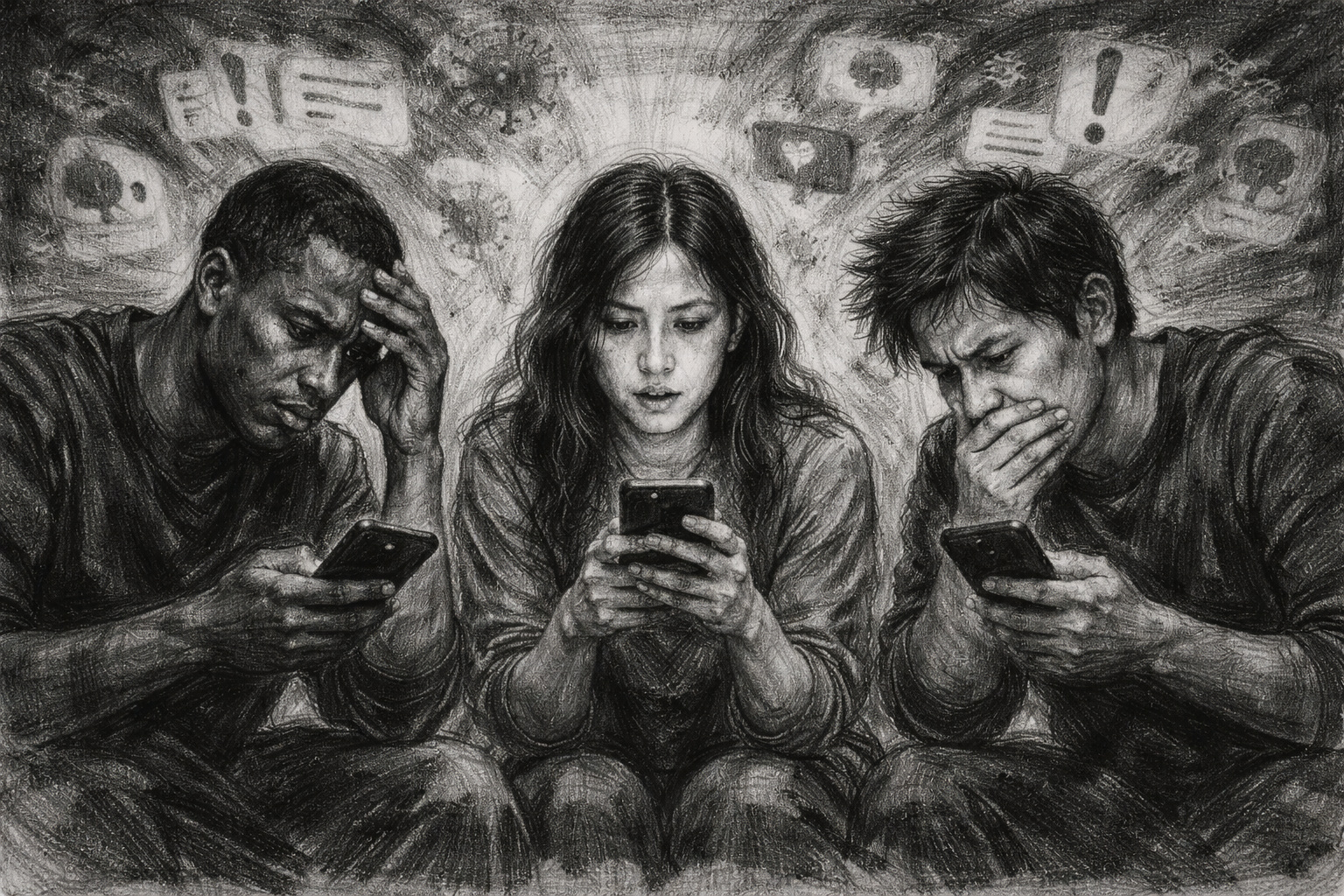
Doomscrolling Feeds Anxiety
One habit that has become increasingly common is something known as doomscrolling. This describes the tendency to repeatedly consume negative or alarming news online. People scroll through disaster stories, crime headlines, and political conflicts long after they intended to stop.
There is a reason this happens.
The human brain has something called a negativity bias. Evolution wired our minds to notice threats faster than positive events. Thousands of years ago this bias helped humans survive by spotting danger quickly. Unfortunately, modern algorithms have learned how to take advantage of this feature.
Content that triggers strong emotional reactions spreads faster online. Fear, anger, and outrage often generate more comments and shares than neutral content. Because of this, algorithms tend to surface more dramatic and emotionally charged material.
The result is a feed that can make the world appear far more chaotic and dangerous than it actually is. After enough exposure, people begin to feel like everything around them is unstable or alarming. Anxiety naturally grows in that environment.
The Pressure to Perform Online
Another overlooked source of stress comes from the quiet pressure people feel to present themselves well online. Every photo, update, or video becomes a small performance in front of an invisible audience. People wonder how their posts will be received and whether others will react positively.
Likes, comments, and shares have become a kind of digital applause.
When a post performs well, people often feel validated. When a post receives little attention, people sometimes interpret it as social rejection. Even small signals like delayed responses to messages can trigger unnecessary worry.
Did I say something wrong?
Why did that person ignore my message?
Did people not like what I posted?
These thoughts may sound minor, but they tap into something deeply human. Our brains are wired to care about social acceptance. In earlier eras, losing the approval of the group could threaten survival. Social media turns that approval into visible numbers that constantly measure how we are perceived.
That measurement can create pressure people never experienced before.
Teenagers Feel the Effects Even More
Young people often experience these pressures more intensely than adults. Teen brains are still developing, especially in areas responsible for emotional regulation and identity formation. At the same time, social media becomes a central part of their social world.
Teenagers are often comparing themselves to peers at a stage when they are still figuring out who they are. Image focused platforms amplify that comparison by placing constant emphasis on appearance and popularity.
Research has linked heavy social media use among teenagers with increased anxiety, sleep problems, and body image concerns. Teen girls in particular appear to be vulnerable to platforms that emphasize visual perfection. When young users see hundreds of edited photos every week, their sense of what is normal begins to shift.
Real life starts to feel inadequate compared with the filtered version of reality online.
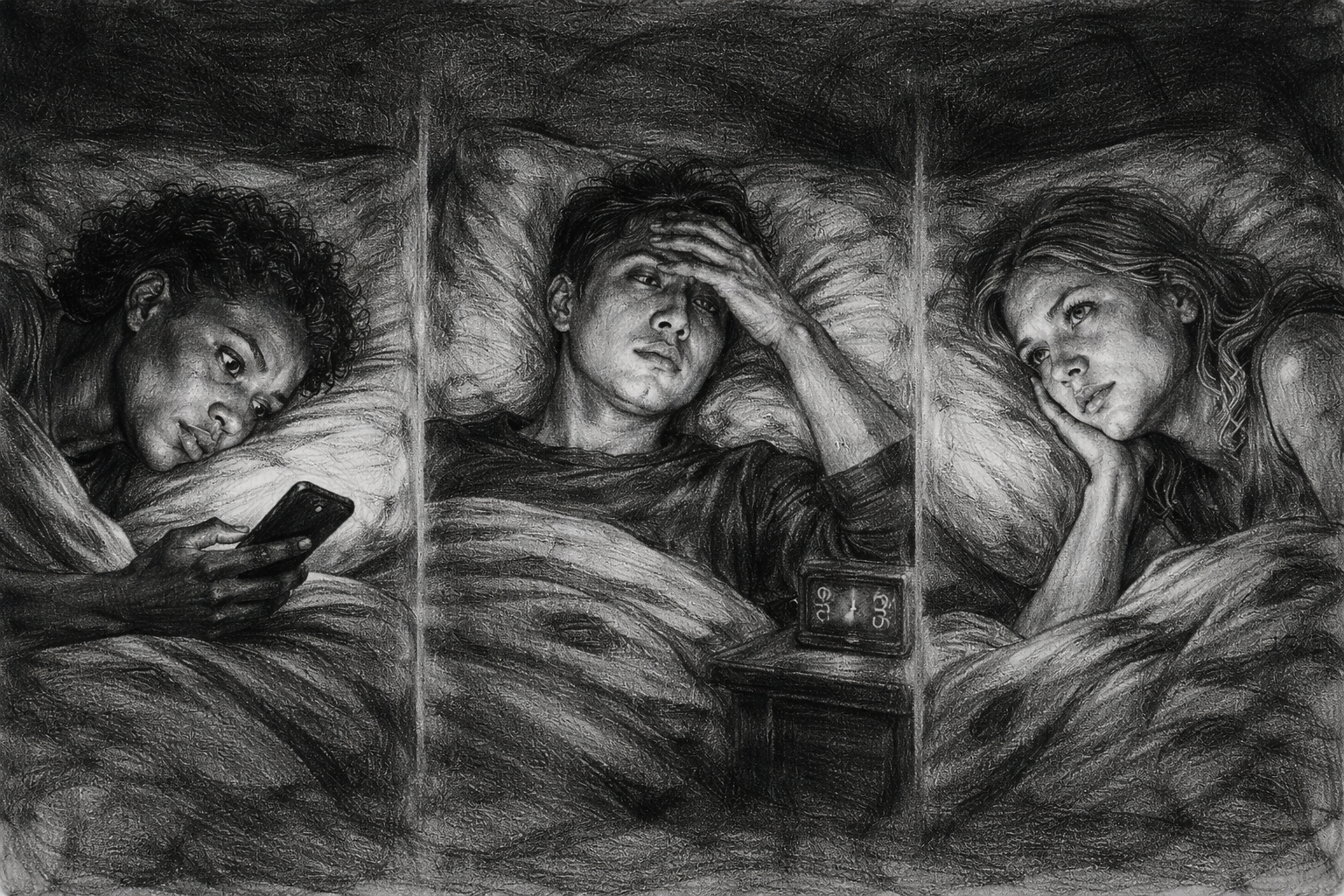
Sleep Is One of the First Things to Suffer
Another hidden effect of constant scrolling is sleep disruption. Many people scroll through social media in bed at night as a way to relax before falling asleep. Unfortunately, this habit often has the opposite effect.
Screens emit blue light that interferes with the body’s production of melatonin, a hormone that helps regulate sleep. At the same time, the content itself keeps the brain stimulated. A person may watch something funny, then see upsetting news, then read a heated comment thread.
The mind stays active when it should be winding down.
Platforms are also designed to encourage continued scrolling. Autoplay videos, endless feeds, and constant notifications make it easy to stay engaged longer than intended. What was supposed to be five minutes quickly turns into forty.
Lack of sleep alone can increase anxiety levels significantly, which makes the cycle even worse.
Feeling Connected but Still Lonely
Perhaps the strangest outcome of social media is that people can feel more lonely despite being constantly connected. A like or quick comment is not the same as a real conversation. Watching other people interact online does not always create the same emotional fulfillment as spending time together in person.
In some cases, social media can even amplify feelings of exclusion. Seeing groups of friends gathering without you or watching other people celebrate milestones can trigger a sense of being left out.
Humans need genuine connection, not just digital interaction.
When online engagement replaces real world relationships, loneliness can quietly grow even while someone appears socially active online.
Social Media Is Designed to Capture Attention
It is important to understand that social media platforms are not designed primarily for mental well being. Their business model depends on capturing and holding user attention. The longer someone stays on a platform, the more advertisements they see.
Algorithms carefully study how people behave online. They analyze what users click, pause on, comment on, and share. Then they deliver more content that triggers similar reactions.
This system works extremely well for engagement.
But it does not always work well for emotional health. Content that provokes strong emotional responses can keep people scrolling longer. Over time that can mean users are repeatedly exposed to material that heightens stress, comparison, or outrage.
The algorithm is doing exactly what it was designed to do.
Using Social Media Without Letting It Control You
The goal is not necessarily to quit social media entirely. These platforms can offer real benefits. They help people stay connected across distance, discover new ideas, and build communities that would not otherwise exist.
The key is using them intentionally rather than automatically.
Simple habits can make a noticeable difference. Avoid checking social media during the first hour after waking up and the last hour before going to sleep. These two periods are when the brain is most sensitive to emotional stimulation.
Curating your feed is also important. Unfollow accounts that trigger negative comparisons or unnecessary stress. Follow creators who educate, inspire, or genuinely entertain.
Most importantly, balance digital interaction with real world relationships. A conversation with a friend, a walk with family, or even a brief face to face interaction provides emotional signals that social media cannot fully replicate.
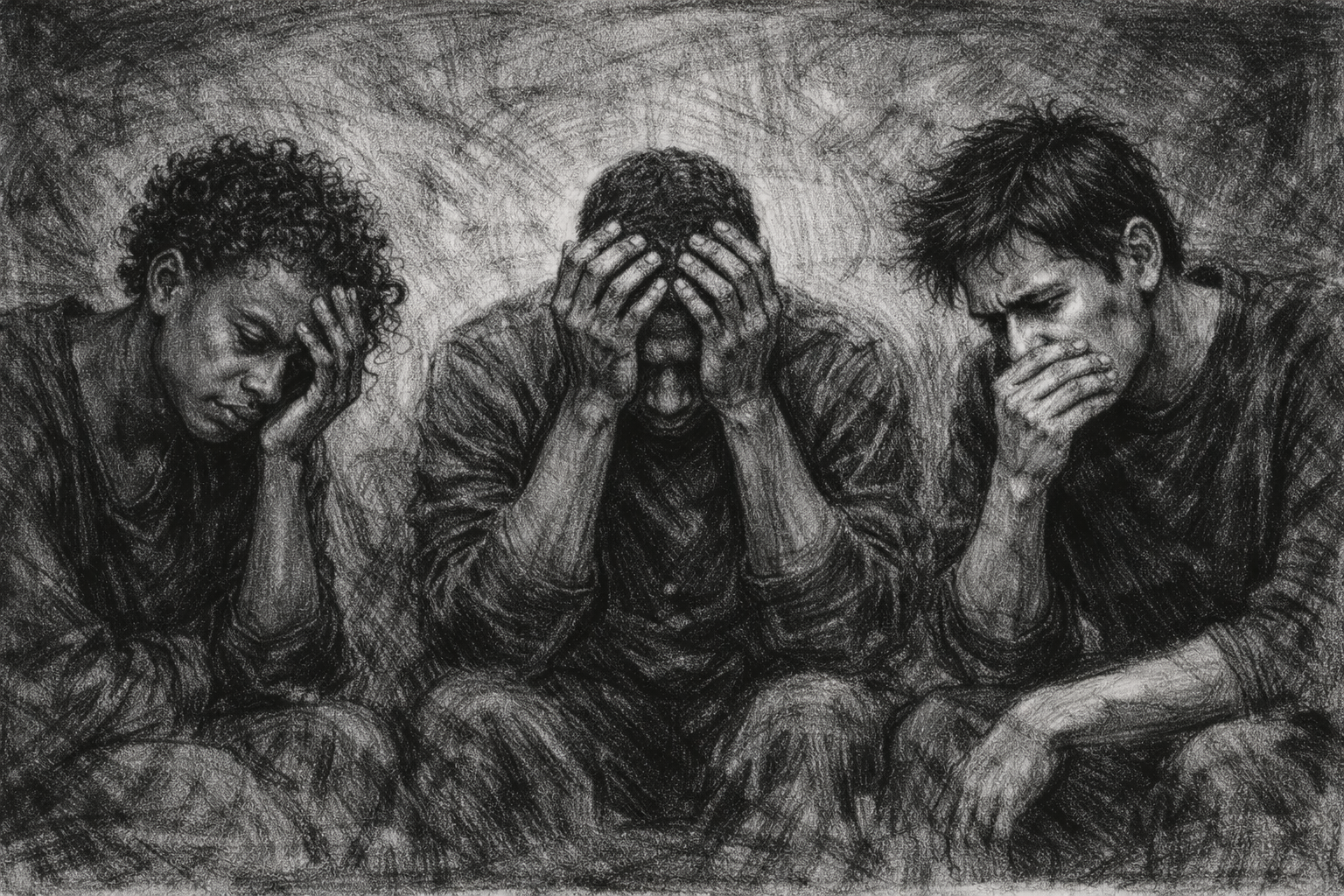
A Final Thought
Social media did not invent anxiety, but it has created an environment where anxiety can easily grow. The human brain evolved for slower communication, smaller social circles, and real world interaction. Today we live in a digital environment that floods our minds with comparison, stimulation, and emotional triggers every day.
Understanding that mismatch gives people power.
Once you recognize how these platforms influence your attention and emotions, you can decide how much control they deserve. Social media can remain a useful tool without becoming the loudest voice in your head.
Sometimes the healthiest decision is surprisingly simple.
Put the phone down for a while and step back into the real world, where life rarely demands that you compete with a highlight reel.
If this resonated with you, stay connected.
PFWorks, Inc. supports teens and young adults navigating real life transitions with practical guidance, trusted resources, and human-centered support. Subscribe to our newsletter to receive updates, resources, and stories that focus on progress, dignity, and real solutions.
Stay informed. Stay connected. Be part of the support.
Canty