
Part 2: Privacy Settings and Digital Footprints
The Illusion of Privacy
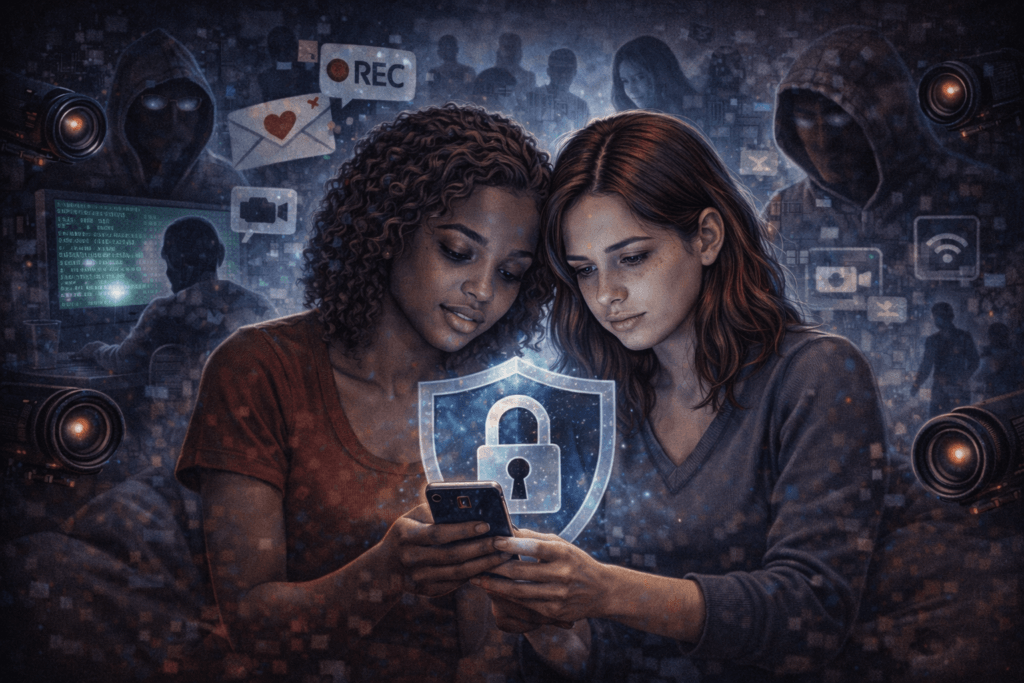
A teenager opens their phone, taps into Instagram, and carefully selects who can see their latest post. Maybe it’s a dance video, maybe a silly meme. They check the little lock icon, convinced their “close friends” list is a safe zone. What they don’t realize is that privacy settings aren’t iron gates—they’re more like screen doors.
They keep out some of the breeze, but not all. One screenshot, one resharing, and suddenly the post meant for ten friends is in front of a hundred strangers. The illusion of privacy lulls young people into thinking they’re in control, but control is slippery online.
Stories surface every year of teens shocked when a supposedly private post ends up in the wrong hands, teaching a harsh truth: once something is uploaded, it’s no longer yours.
Digital Footprints Don’t Fade
The idea of a “footprint” sounds harmless—sand on a beach, washed away with the tide. Digital footprints are more like concrete. A tweet written in anger, a questionable joke, or a photo taken at a wild party can resurface years later. Employers and colleges have entire teams who scan online histories, and they rarely look with forgiving eyes.
Take the story of a high school senior who lost a scholarship after recruiters found racist comments he posted at fourteen. He wasn’t the same person anymore, but the internet didn’t care. Digital footprints don’t fade because the web is built to remember.
Even when accounts are deleted, archives and screenshots keep receipts. For young people still figuring out who they are, this permanence can feel unfair. But ignoring it doesn’t make it less real.
Oversharing as a Trap
There’s a cultural pressure to share everything—vacations, meals, relationships, even moods. Teens and young adults often treat social media like a diary, forgetting that diaries aren’t meant to be broadcasted. Oversharing can lead to dangers beyond embarrassment. Posting your location in real time tells strangers exactly where you are.
Uploading your driver’s license to celebrate a milestone exposes personal data ripe for identity theft. Even casual posts can reveal patterns: the school you attend, the café you frequent, the route you walk home. Predators and scammers piece these details together like detectives.
Oversharing is a trap disguised as connection. What feels like bonding with an audience may actually be handing out breadcrumbs to people with bad intentions.

Lessons Learned Too Late
Real stories often drive the lesson home harder than lectures. A teenager in Florida thought nothing of posting photos of her new car, license plate in full view. Weeks later, she was targeted by someone who tracked her down. Another young man bragged about skipping work to hang out with friends. His boss saw the post and fired him before he made it back to his shift.
These aren’t cautionary tales from some dusty textbook—they’re headlines pulled from everyday life. The sting isn’t just public shame, it’s the realization that the internet isn’t a friend. It’s a megaphone, broadcasting even when you don’t mean it to.
Teens rarely get second chances in the digital world. Once the mistake is made, undoing it is almost impossible.
Parents, Peers, and the Gray Zone
Parents often lecture about “being careful online,” but the advice can feel outdated when it comes from people who don’t even know how to use TikTok. Peers, however, carry weight. When one friend gets burned by a leaked message or a viral screenshot, others take notice.
The challenge is that teens live in a gray zone between wanting to be authentic and wanting to be safe. They crave connection, but they don’t want to be naive. Striking the balance is tricky. Some lock down every account and feel isolated. Others throw open the doors and risk exposure.
The truth lies somewhere in between, in being mindful of what really needs to be shared versus what should stay personal.

From Recklessness to Responsibility
Privacy settings aren’t useless, but they’re not magic either. They’re tools, and like any tool, they work only when used with intention. The real shift comes when teens understand that online safety is less about fear and more about respect—for themselves, their future, and the people around them.
Responsibility online doesn’t mean being boring or paranoid. It means pausing before posting, asking, “Would I be okay if this lived forever?” It means recognizing that authenticity doesn’t require exposure of every detail.
The more young people treat privacy like an asset rather than an afterthought, the more they reclaim power in a digital world built to strip it away. Digital footprints don’t have to be traps—they can be trails leading to futures they actually want.
If this resonated with you, stay connected.
PFWorks, Inc. supports teens and young adults navigating real life transitions with practical guidance, trusted resources, and human-centered support. Subscribe to our newsletter to receive updates, resources, and stories that focus on progress, dignity, and real solutions.
Stay informed. Stay connected. Be part of the support.
Canty